

Wildlife Pros — Jacksonville, FL
Vole Removal in Jacksonville, FL
Voles killing your lawn, garden plants, and tree roots? Wildlife Pros eliminates vole infestations and helps protect your landscaping.
Voles — The Hidden Lawn and Garden Killers
Voles (also called meadow mice or field mice) are small, stocky rodents that live in dense ground cover and cause serious damage to lawns, gardens, and ornamental plantings. The Pine Vole (Microtus pinetorum) and Meadow Vole (Microtus pennsylvanicus) are both present in Northeast Florida. Unlike moles, which eat insects, voles are herbivores — they eat grass stems, plant roots, bulbs, and the bark of young trees and shrubs. Their girdling of tree trunks (chewing the bark in a ring around the base) can kill established trees.
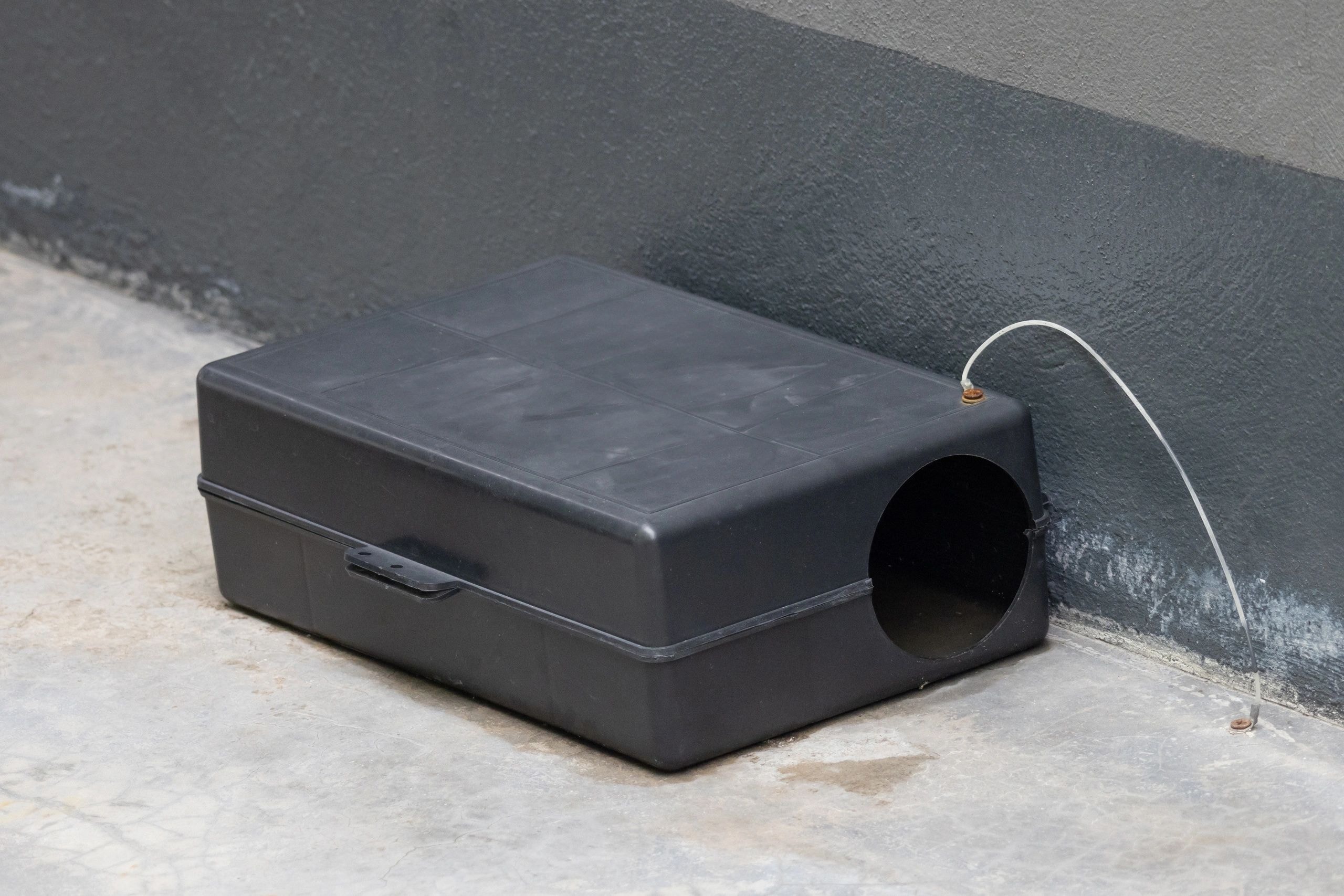
Voles create surface runways — shallow grooves worn into the lawn — and extensive underground tunnel systems near the surface. They reproduce rapidly, with females producing 5–10 litters per year of 3–6 young each. A small vole population can explode into a serious infestation within a single growing season. Wildlife Pros uses snap traps and bait stations placed in active runways and tunnel entrances to eliminate vole populations quickly. We also advise on habitat modification — reducing ground cover, mulch depth, and dense plantings that shelter voles.
- Voles eat grass, roots, bulbs, and tree bark — not insects like moles
- They create surface runways — shallow grooves worn into the lawn
- Girdling (bark removal around a tree base) kills the tree by cutting off nutrient flow
- A female vole can produce 40+ offspring per year
- Vole populations peak in fall and winter when ground cover is dense
- They are active day and night, year-round — no seasonal slowdown in Jacksonville
- Dense mulch and ground cover provide ideal vole habitat — reduce depth to 2 inches
- Voles are prey for foxes, hawks, and owls — encouraging natural predators helps
Get in Touch
Describe your situation and we'll respond fast. Available 7 days a week, 7am–11pm.
Wildlife Pros — In the Field

Frequently Asked Questions
How do I tell vole damage from mole damage?
Voles create surface runways — shallow grooves worn into the grass, often visible after snow melts (in northern climates) or after mowing. They also gnaw on plant stems, roots, and tree bark at ground level. Moles create raised ridges and mounds of displaced soil. If your plants are dying from root or bark damage, it's voles. If you have raised ridges but no plant damage, it's moles.
Are voles the same as moles?
No — voles and moles are completely different animals. Moles are insectivores (they eat earthworms and grubs) and create raised tunnels and soil mounds. Voles are rodents (related to mice) that eat plants and create surface runways. Both can damage lawns, but the damage patterns and control methods are different.
Can voles damage my fruit trees?
Yes — this is one of the most serious vole damage scenarios. Voles girdle young fruit trees by chewing the bark in a ring around the base, which cuts off the flow of water and nutrients and kills the tree. Protect young trees with hardware cloth cylinders (1/4-inch mesh) extending 18 inches above ground and 6 inches below.
How quickly can you eliminate a vole infestation?
Most vole infestations are significantly reduced within 1–2 weeks of professional trapping. We place snap traps and bait stations in active runways and tunnel entrances, check them daily, and reset as needed. We follow up to confirm the population is eliminated before closing out the job.
Related Services
Voles Killing Your Lawn and Garden?
Wildlife Pros eliminates vole infestations fast and helps protect your landscaping long-term.